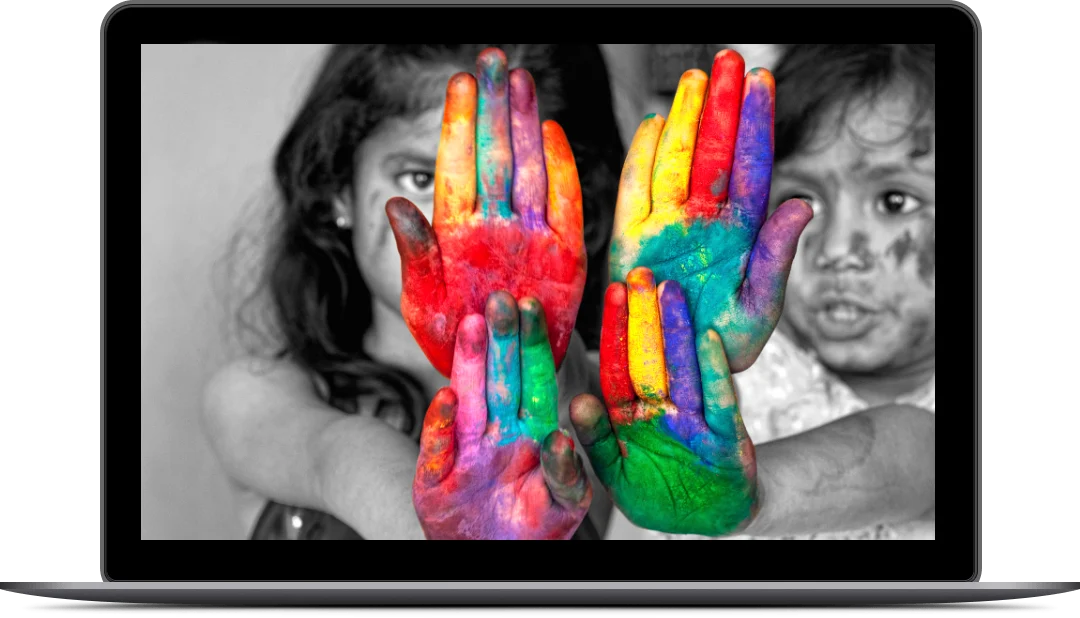
Translation comes in many colors. Which method to use depends on your document, budget and communication objectives. In this article we’ll discuss the main options of translations and when best to use them.
The translation method options currently are:
Here is a quick summary of each method and the instances in which using the specific method would be most effective.
Machine Translation (MT)
Machine Translation is designed to translate text by simply substituting words in one natural language for words in the target language. It does this substitution without recognition of whole phrases or meaning of combination of different words.
The use for MT should be limited to simple (words only), not very important, ‘quick & dirty’ translations. For example:
Computer Assisted Translation (CAT)
Computer assisted translation is designed to incorporate machine translation and the post translation editing stage into a software. This specialized translation software provides additional editing tools (e.g. Spell checkers, Grammar checkers, Terminology managers, Translation memory ™, which is a database of text segments in a source language and in target languages). With a CAT software, human translator can easily access these tools and come up with a translation in a much quicker and more efficient way.
The use for CAT should be for large volume projects that are also time sensitive. For example:
Human Translation (HT)
Human translation is the ‘old fashioned’ way of translating, by first understanding the content of the source then expressing the message of the content in the target language. Naturally this method is more time consuming then matching words to words with the assistance of a machine/computer. Consequently it is also reliable and expensive than the previous two options.
The use of strictly human translation should be for cultural & critical communications.
For example:
Only Human Translation will take into account factors like: cultural differences, puns or double entendre, slang, and other cultural nuances to come up with powerful and effective translations. This version of translation is also called Transcreation.
Transcreation
Transcreation is the creative adaptation of marketing, sales and advertising copy in the target language. It involves changing both words and meaning of the original copy, while keeping the attitude and desired persuasive effect of the main message.
The process of transcreation is more time-consuming and creative than a direct translation, and it usually involves the expertise of a native copywriter.
Transcreation should be used for
© 2012 Branded Translations.
Branded Translations is a specialized language services agency. We help organizations reach multicultural and international audiences through quality translation and transcreation of marketing and advertising communications. For more information, visit BrandedTranslations.com.
Brand names and slogans can be interpreted very differently across international markets. Search on Google for bad translations and you will find plenty funny examples. While entertaining to an outsider, many of these brands were killed because of well-intended but nonchalant globalization and localization efforts. You don’t want your brand to be a part of this infamous list. The good new: it’s easy to avoid it if you consider the following tips and guidance.
When to translate a brand name?
A global brand name should be pronounceable in all languages and dialects, free of negative connotations, not confusingly similar to existing names. Not meeting this basic criterion can have costly consequences.
Some global legacy brands such as McDonalds, Ford or VISA have a brand name that stands out from the crowd and works in all countries and cultures with equal success. The more recent and lesser-known brand names can be vulnerable to possible issues or misconceptions in the global market place.
The decision to localize the brand depends on many factors.
Brand name evaluation process
We are often asked: “will my brand name work with this international audience?”
Whether it’s a new or existing name, there is only one way to find out. Ask the locals!
As a professional service, we evaluate brand names and taglines across international markets and languages. The goal is to discover potential issues upfront – before the name is launched.
We leverage the insight of local linguists — native speakers in the target market — and ask them to evaluate one or more names. A specific set of questions is used to reveal the following information:
This process is repeated for every market & language. Results are analyzed and discussed with the client to get a complete picture of any possible issue the name might have in the target market.
In some cases localization of the logo (design adaptation) may be needed as well. The visual expression of a brand can be extremely powerful in a global context. People tend to recognize brands first by their design and second by their names.
For more information about international brand name assessment, please contact Anna@BrandedTranslations.com .
© 2012 Branded Translations.
Branded Translations is a specialized language services agency. We help organizations reach multicultural and international audiences through quality translation and transcreation of marketing and advertising communications. For more information, visit BrandedTranslations.com.
Spanish is the official language in 22 countries and is the third most widely spoken in the world (after English and Mandarin). In 2011 there were 165 million Hispanic internet users, a group that grew 807% over the past 10 years. Experts predict that by the year 2050 there will be 530 million Spanish speakers in the world, of which 100 million will be living in the USA.
In the US, the Hispanic market is not only growing in size but also in buying power. Consider the following data, courtesy of eBizMedia and H&R block:
The majority of US Hispanic/Latinos keep strong ties to their cultural heritage. 35 million US residents still speak Spanish at home. The People en Español Hispanic Opinion Tracking (HOT) Study found that 55% of Hispanics in the US are relatively ‘unacculturated’. This is the group that is least assimilated, living culturally isolated and in Hispanic dominant communities. Not surprisingly, this group responds best to communication in their native language.
The US Hispanic population is growing in size and their buying power has increased at an even more staggering rate. This combined data reinforces the notion that the Latino market cannot be ignored by any US marketing organization. Latinos are an integral part of the US market as a whole. However, to reach and engage this audience, one has to consider the cultural nuances and language in their communications.
© 2012 Branded Translations.
Branded Translations is a specialized language services agency. We help organizations reach multicultural and international audiences through quality translation and transcreation of marketing and advertising communications. For more information, visit BrandedTranslations.com.